
Rolling mill
Showing 13–19 of 19 results
-
-
-
-
-
-
-
Original price was: $ 2,999.99.$ 1,899.99Current price is: $ 1,899.99. Select options This product has multiple variants. The options may be chosen on the product page
Showing 13–19 of 19 results
Why Choose Katway Rolling Mills?
Direct from Manufacturer – Save Big
Quality Assurance – 100% Satisfaction Guaranteed
Years of Industry Experience
Katway Rolling Mills
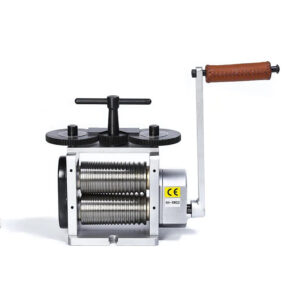
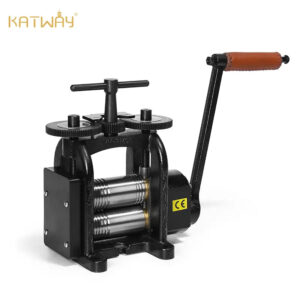
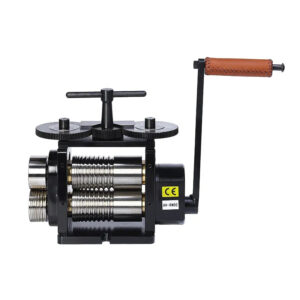
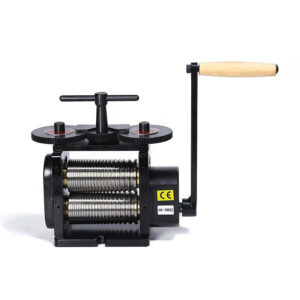
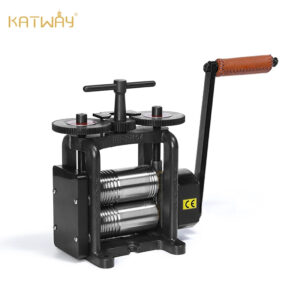
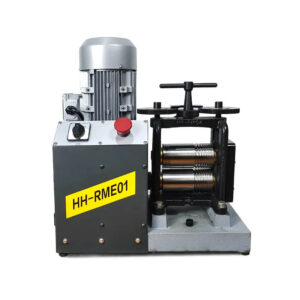
Rolling mills are one of the most important bench tools when it comes to shaping metal. They let you flatten sheet, reduce wire thickness, and even transfer textures onto metal surfaces. Whether you’re working on rings, bracelets, pendants, or custom components, a rolling mill gives you more control over how your metal looks and feels before you move into finishing.
Katway rolling mills are built for steady workshop use, making them a solid choice for both small jewelry studios and higher-volume production setups. From smooth reduction to pattern rolling, they help keep your metal consistent and ready for the next step of your design.
FAQ
Q1: What can I actually do with a rolling mill in jewelry making?
A1: You can flatten metal sheet, thin down wire, and press textures or patterns into the surface. Some jewelers also use it to prepare metal before cutting or forming.
Q2: Can a rolling mill handle both sheet and wire?
A2: Yes, most rolling mills are designed for both. You just switch between flat rollers for sheet and grooved rollers for wire depending on what you’re working on.
Q3: Is it hard to operate a rolling mill for beginners?
A3: Not really. Once you get used to adjusting the pressure and feeding speed, it becomes pretty straightforward. Most people pick it up quickly after a few tries at the bench.
Q4: Why does my metal sometimes come out uneven?
A4: That usually happens when pressure isn’t set evenly or the metal isn’t fed straight through. Keeping alignment steady and making small gradual passes helps a lot.
Q5: Do I need lubricant when using a rolling mill?
A5: It’s not always required, but a light lubricant can help reduce friction and keep both the metal and rollers in better condition over time.