
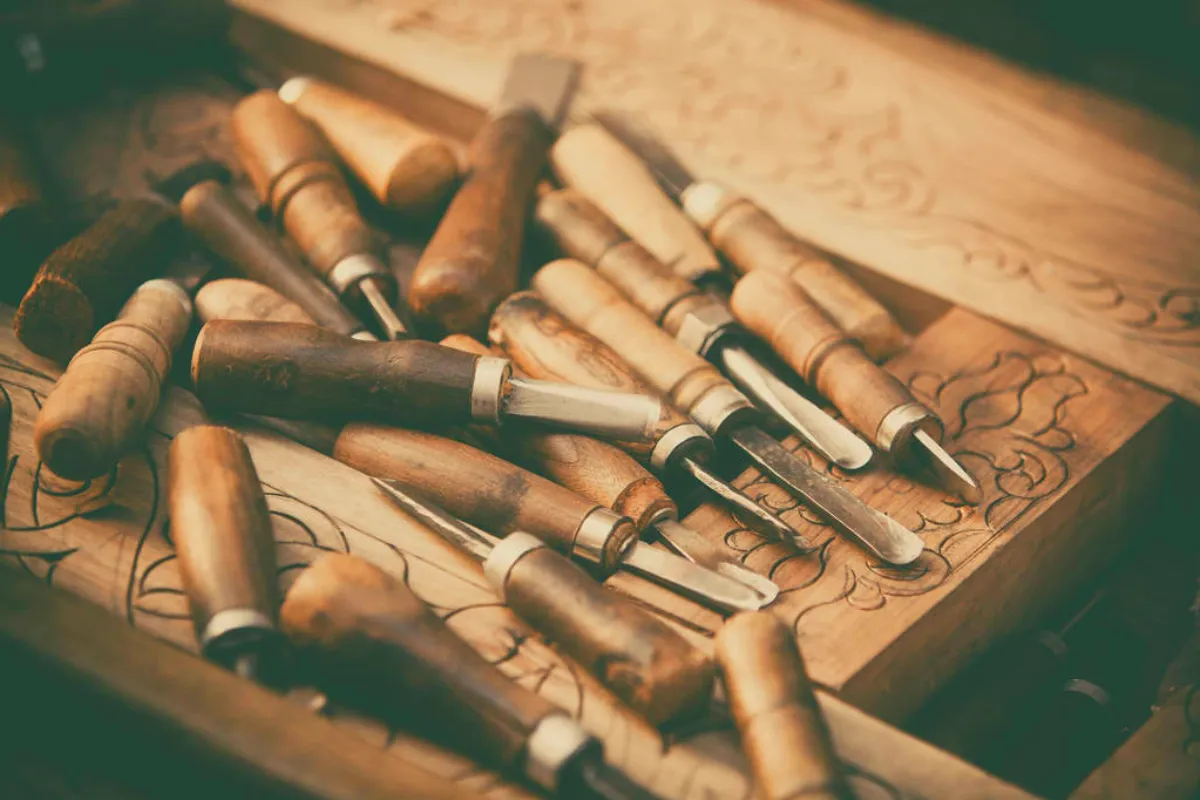
If you want to make a great wood‑carved piece, you’ve got to start with tools that feel right in your hands. There are tons of carving tools out there, but the perfect one for you takes some careful sorting. Don’t stress too much over the picking process. When you finally get your ideal carving tool, you’re gonna be thrilled.
Let’s walk through all the key factors you need to weigh when picking great wood‑carving tools!
Your Skill Level
First off, think honestly about what skills you already have. For example, if you plan to use hand wood‑carving tools, you should already know a thing or two about carving, or be ready to learn. If you don’t want to put in the practice time, hand‑operated tools might not be for you.
Power carving tools also call for some hands‑on experience. It’s not easy to handle these machines and get the exact results you want right out the gate.
Laser engravers are super beginner‑friendly. You don’t really need prior experience to get started. Just import an image and you’re good to go. That said, if you want top‑notch results, you should learn to tweak a few image settings. If you’re a graphic designer, you can make original designs yourself. If not, grab free or paid pre‑made designs from specialty websites.
CNC wood carvers work pretty well for new folks too. Software operation and image uploading work similarly to laser engravers. Keep in mind, though, they can’t match laser engravers when it comes to flat‑surface engraving precision.
The Kind of Work You Do
Your actual workflow matters a whole lot when choosing wood‑carving gear. If you’re a furniture designer mostly working on simple patterns and need deep cuts or 3D‑shaped work, chisels and rotary power tools will serve you well.
If your main gig is custom personalized goods like pens, mugs and photo frames, a laser engraver is an awesome pick. A CNC carver works too, yet it fits best for flat objects and struggles with high‑contrast shallow engraving.
If you’re planning to launch a brand‑new business from scratch, laser engravers are well worth checking out. They handle a huge range of engraving styles and work on many different products.
Carving Speed
Carving can be really time‑consuming. Every maker wants tools that help save as much time as possible. Complex hand‑carved projects can easily eat up multiple days.
Hand tools are pretty slow. Power rotary tools speed things up. CNC carvers are automated and deliver solid processing speed as well.
Laser engravers blow most other tools out of the park for speed. No physical contact with wood is needed. Powered laser beams get the job done fast and deliver sharp, high‑contrast engraving effects. Even highly detailed image‑based patterns can be finished within minutes.
Precision Goals
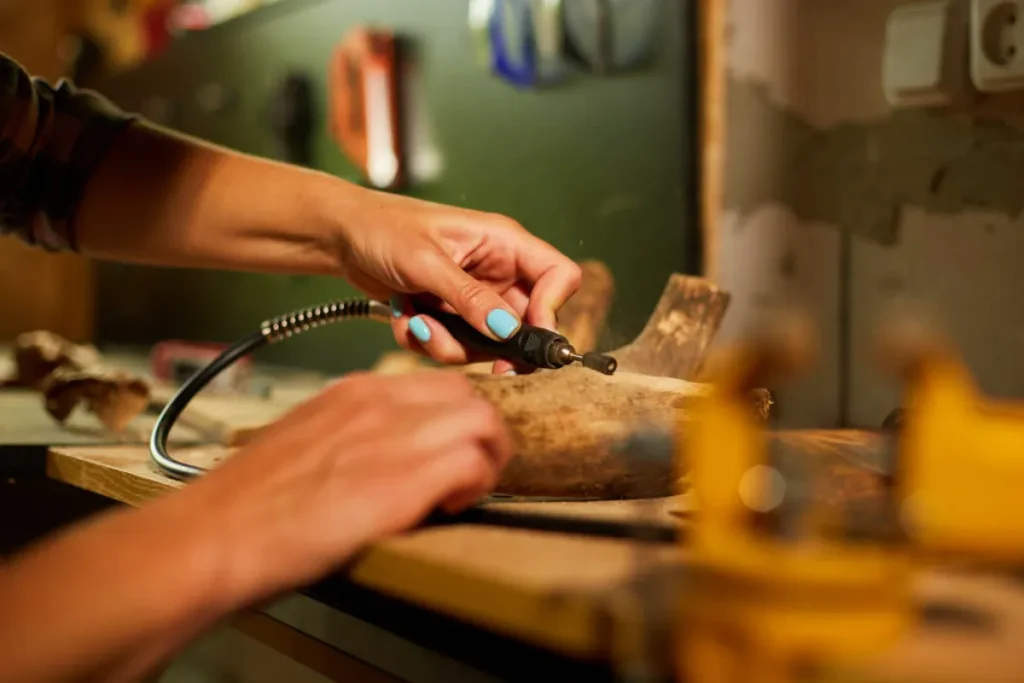
Every tool has its own precision limits. With hand tools, mistakes like shifts or over‑carving happen often. It’s tough to produce identical pieces every single time. Regular power carving tools run into those same issues.
CNC machines and laser engravers offer outstanding precision. Precisely controlled motors move laser heads or cutting bits, so you can replicate the exact same design over and over again. If top‑tier flat‑engraving accuracy is your priority, laser engravers are your go‑to, delivering precision down to fractions of an inch.
Quick note: Lasers shine for flat surface engraving; CNC machines really excel at deep, 3D wood carving.
Tool Capabilities & Limitations
You need to understand what each tool can do — and what it cannot do. This helps you match tools to your projects.
Hand chisels and rotary power tools depend heavily on the maker’s skill. You control everything by hand. They’re fantastic for artistic carving and small‑batch engraved pieces, but not great for mass‑producing identical copies.
When you want crisp, error‑free replicated work, laser engravers and CNC carvers are your best bet. Upload a high‑quality image, and the machine copies patterns, photos and logos onto wood.
⚠️Key downsides for each tool:
- Hand chisels: Low cost, creates one‑of‑a‑kind handmade texture; very time‑intensive, poor for replication.
- Rotary power tools: Faster than fully manual work; still can’t reliably mass‑produce matching items.
- Laser engravers: Fast, amazing fine detail for flat work; poor for deep 3D cuts on thick wood, creates fumes while operating.
- CNC carvers: Handles 3D wood carving and mass replication; requires time to learn design software, file setup can be tedious.
Set Your Budget
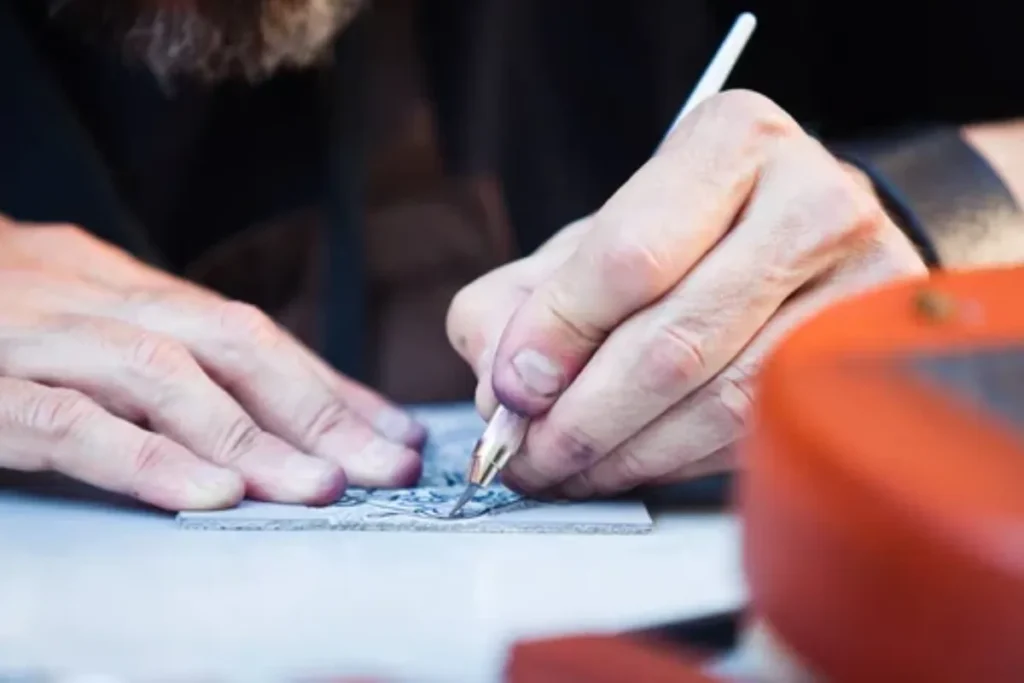
Hand tools have the lowest entry cost, they’re simply sharp cutting implements. A decent set of chisels runs between $20‑70.
Rotary power tools are also budget‑friendly. You can grab a solid rotary carving kit for around $100.
CNC carvers and laser engravers cost more upfront, yet they deliver great value. They cut down tons of working hours and produce consistent results. Desktop models range widely from $200 all the way to $5000, depending on features.
Quick Decision Guide
- Artistic hand‑made 3D wood carving, love handmade texture: Hand chisel set
- Want automation plus 3D wood‑carving capacity: CNC wood carver
- Custom gifts, frames, pens, flat engraving, prioritize speed: Laser engraver
- Limited budget, only casual small projects: Rotary power carving tool
FAQ for Beginners
Q: How do you carve designs into wood? A: You can use hand carving tools, rotary power tools, laser engravers or CNC wood carvers that we talked through. Every tool has pros, cons and ideal use‑cases. Pick based on your needs and budget.
Q: What is the best way to carve wood? A: There is no single “best” wood‑carving method. It all depends on what final piece you want. If you need fast mass production of detailed flat engravings, laser engravers perform incredibly well. If you’re after 3D forms and warm, artistic handmade character, hand chisels or CNC wood carvers will work much better.
Q: What tools should new makers buy on a tight budget? A: If you’re just a hobbyist practicing for fun, start with a basic chisel set. If you plan to take custom orders, look into entry‑level desktop laser or CNC machines.
Not sure which machine fits your workshop? Match your tool checklist against your project requirements and budget.