
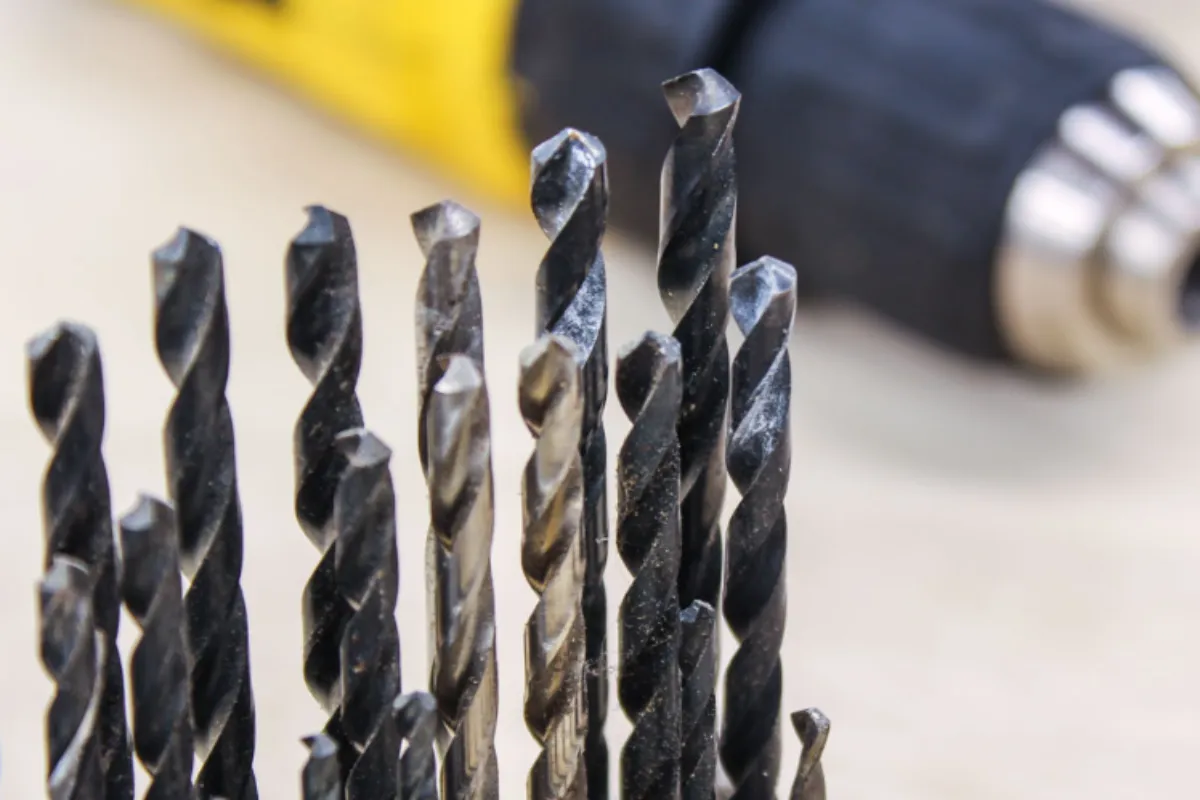
Actually, there’s no single answer to this question. Just like painting doesn’t use only one type of brush, pneumatic engraving machine drill bits need to be flexibly matched according to the engraving material, line style, and engraving size.
To help you quickly understand the important points of choosing engraving drill bits, this article systematically explains the following aspects: pneumatic engraving machine drill bit types, how to match the drill bit spindle diameter to the machine, how thickness affects the effect, how the drill bit shape changes the lines, how to combine different sized drill bits, and drill bit lifespan and replacement timing.
If you are looking for recommendations for pneumatic engraving machine drill bits or methods for choosing engraving drill bits for pneumatic engraving machines, this article will give you complete answers.
1. Why Engraving Bits Matter More Than You Think
A pneumatic engraver operates using high-frequency vibration rather than high-speed rotation. This means the performance of your engraving depends heavily on the quality and structure of the bit.
The right engraving bit determines:
- Cutting speed
- Line clarity
- Surface smoothness
- Tool control
- Overall engraving precision
Even the best pneumatic engraver cannot deliver clean results with the wrong bit.
2. Types of Engraving Bits: Why Diamond Bits Are the Preferred Choice
Among all engraving tools available, diamond engraving bits are the most widely recommended for pneumatic engraving.
What Makes Diamond Bits Different?
Diamond particles are bonded to the surface of the bit. Instead of slicing like a traditional cutting blade, they gradually grind away material with precision.
You can think of a diamond bit as:
A highly controlled, precision “micro-abrasive” tool designed for fine engraving work.
- Best Materials for Diamond Engraving Bits
- Glass engraving
- Metal lettering
- Stone carving
- Ceramic detailing
- Crystal engraving
- Fine wood detailing
- Leather embossing
Compared to standard steel or carbide bits, diamond bits:
- Last longer
- Cut more smoothly
- Produce cleaner lines
- Perform better on glass and hard metals
If your main goal is pneumatic engraver lettering, especially on glass or stainless steel, diamond engraving bits are almost always the best choice.
3. How to Match Engraving Bit Shank Size to Your Pneumatic Engraver
One of the most common beginner mistakes is buying engraving bits without checking compatibility.
Common Shank Sizes:
- 1/16 inch – Dental standard, ideal for ultra-fine engraving
- 3/32 inch – Popular in jewelry engraving
- 1/8 inch – Common in woodworking tools
Before purchasing engraving bits, confirm:Your pneumatic engraver’s collet size、Whether adapters are supported.
If you are searching for:
Pneumatic engraver bit size compatibility
How to match engraving bit to pneumatic engraver
Remember this simple rule:
The best engraving tool is useless if it does not fit your machine.
4. Understanding Grit: How Coarseness Affects Engraving Results
Grit level plays a major role in how your engraving looks and feels.
What Grit Controls
- Material removal speed
- Line sharpness
- Surface finish quality
- Level of detail
- Common Grit Categories
- Coarse grit – Faster material removal
- Medium grit – Balanced performance
- Fine grit – Cleaner lines
- Extra fine grit – Ultra-smooth detail
How to Choose the Right Grit
- Large lettering → Medium or coarse grit
- Fine signature engraving → Fine or extra fine grit
- Beginners → Medium grit is safest
Coarse grit increases efficiency but reduces precision.
Fine grit improves clarity but slows down progress.
If you’re wondering:
“What grit engraving bit should I use for pneumatic engraving?”
Start with medium grit and adjust based on your material and detail requirements.
5. Bit Shape: How It Changes Line Style
The shape of your engraving bit directly affects the style and personality of your engraving.
Ball Shape (Most Versatile)
Produces even, rounded lines, Extremely beginner-friendly, Ideal for standard lettering.
Cone Shape
Sharp, pointed details, Excellent for tight corners and intricate patterns.
Pear Shape
Softer, flowing strokes, Ideal for artistic or decorative fonts.
Inverted Cone
Creates broader, calligraphy-style strokes, Good for creative typography effects.
If you are looking for ways to improve pneumatic engraver lettering quality, combining different bit shapes within a single project can dramatically enhance visual depth.
6. Choosing the Right Bit Diameter
Bit diameter controls line thickness.Just like pens: A 0.5mm tip writes thinner than a 0.9mm tip.
Practical Size Selection
- Small fonts → Use smaller diameter bits to avoid stroke merging
- Large surface engraving → Use larger bits for efficiency
Recommended Starter Setup
Instead of searching for a “universal engraving bit,” prepare:
- One fine detail bit
- One general-purpose bit
- One larger efficiency bit
This three-bit system gives flexibility without over complicating your engraving tool collection.
7. Material-Specific Recommendations
Different materials require different engraving strategies.
- Glass Engraving: Use diamond bits only. Start with medium grit. Reduce pressure for clarity
- Stainless Steel: Fine grit for lettering. Medium grit for surface shading. Expect faster wear.
- Wood: Larger diameter bits work well. Medium grit provides balance
- Stone and Ceramic: Diamond bits required.Medium to coarse grit depending on hardness.
Understanding material hardness is key to choosing the right engraving bits.
8. How long is the lifespan of a pneumatic engraving cutter head?
This is a major concern for many users. Actually, there is no fixed lifespan for the cutter head. Its durability depends on: material hardness, frequency of use, and applied pressure.
When you find that the cutting speed slows down, the surface becomes slippery, greater pressure is required, lines become blurred, and the diamond particles gradually wear down, these are all normal phenomena.
To maintain a longer lifespan, you can appropriately reduce the engraving of the following materials that wear out faster: glass, stainless steel, and high-density metals.
Professional tip: Always have a spare engraving cutter head on hand. Replacing the cutter head in advance helps maintain consistent engraving quality.
9. Common Beginner Mistakes
Avoid these errors:
- Using one bit for every project
- Ignoring shank compatibility
- Choosing coarse grit for fine lettering
- Applying excessive pressure
- Waiting too long to replace worn bits
A pneumatic engraver works best with controlled vibration—not force.
10. Building Your Personal Engraving Tool System
Instead of constantly searching , build a structured system based on four principles:
- Match shank size
- Prepare multiple diameters
- Select grit based on detail
- Replace bits according to wear
When you understand these fundamentals, choosing engraving bits becomes logical rather than confusing.
Final Thoughts: From Beginner to Advanced
Learning how to choose pneumatic engraver bits is part of mastering your engraving craft.
At first, it may feel overwhelming.
But once you understand:Bit types, Grit levels, Shapes Sizes, Material compatibility.You can confidently adjust your setup for any engraving task.
A pneumatic engraver is only as precise as the engraving tools you pair with it. By building a balanced bit combination and understanding how each factor affects performance, you transform your engraving process from guesswork into a professional system.
看不懂但大受震撼
Very good i like it
wish you all the best
Mass comment blasting: $10 for 100k comments. All from unique blog domains, zero duplicates. I will provide a full report and guarantee Ahrefs picks them up. Email mailto:helloboy1979@gmail.com for payment info.If you received this, you know Ive got the skills.
I like this website so much, saved to favorites.
wish you best and best