
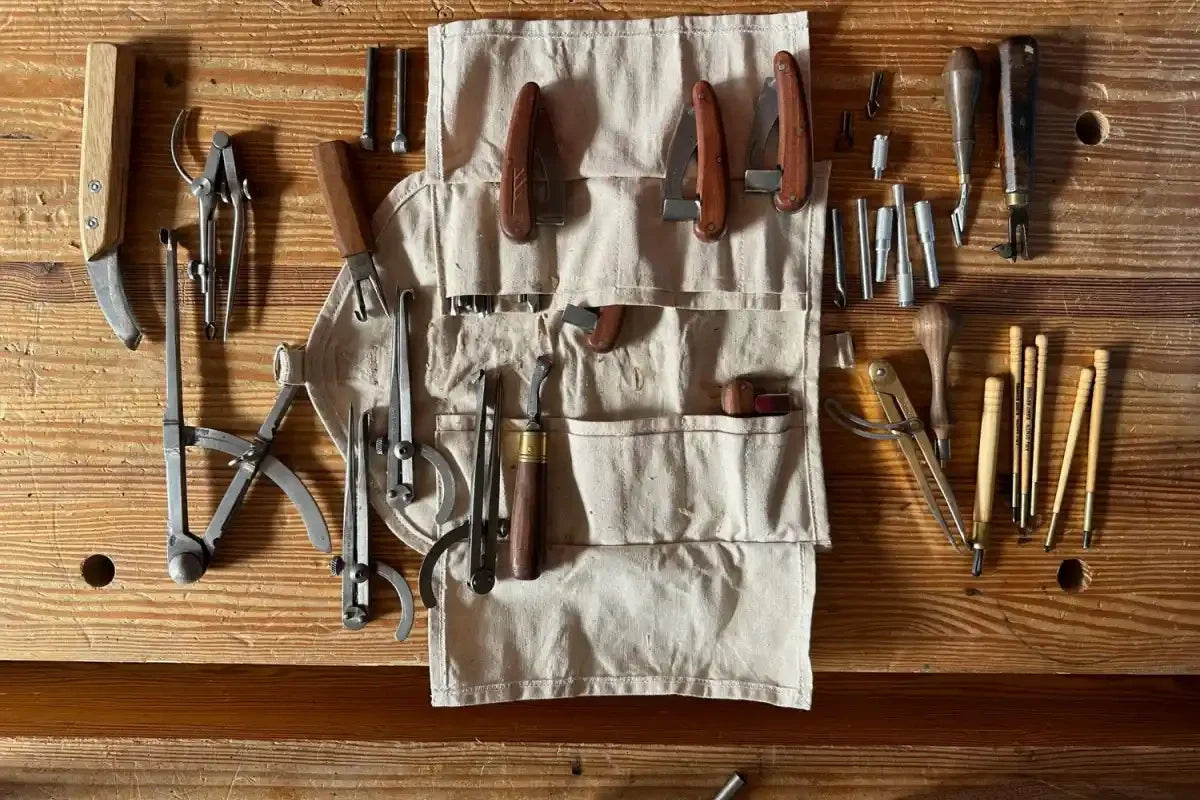
Starting to carve for the first time is both exciting and overwhelming. You pick up a chisel or carving knife, look at a piece of wood, and suddenly everything feels so unfamiliar. Every cut feels like it could go wrong, and you might doubt whether you have the right tools or if you’ll ever be able to create anything decent. In fact, every experienced carver has gone through the same confusion and uncertainty. Carving isn’t about rushing; it’s about learning to understand your tools, materials, and your own hand movements. In this article, I’ll provide some practical advice for every beginner carver to help you start your carving journey this year.
1. Choose the Right Material to Start
Your first material can make a huge difference in your progress and confidence. Beginners often assume that the harder the wood, the better, but starting with soft woods like basswood or butternut is far more effective. These woods are forgiving and allow your tools to glide smoothly, giving you immediate feedback. When you make a mistake, it’s easier to correct and doesn’t result in frustration or wasted material. For those interested in stone carving, soft stones like soapstone are ideal because they are easier to shape and less likely to crack. Avoid jumping straight into hardwoods or dense stones as a beginner; they require more experience and strength and can quickly lead to discouragement.
2. Invest in a Few High-Quality Tools
While it’s tempting to buy an entire carving kit with dozens of chisels, quality is more important than quantity. A small set of well-made tools—such as a couple of straight chisels, a gouge, and a carving knife—can take you much further than a cheap, overstocked kit. One crucial point is that sharp tools are safer than dull ones. A dull blade requires more force, increasing the risk of slipping. Beginners should also spend time learning how to maintain and sharpen their tools, which not only extends their life but makes carving feel smoother and more controlled. When your tools are sharp and responsive, even small practice pieces feel satisfying.
3. Learn Proper Tool Handling
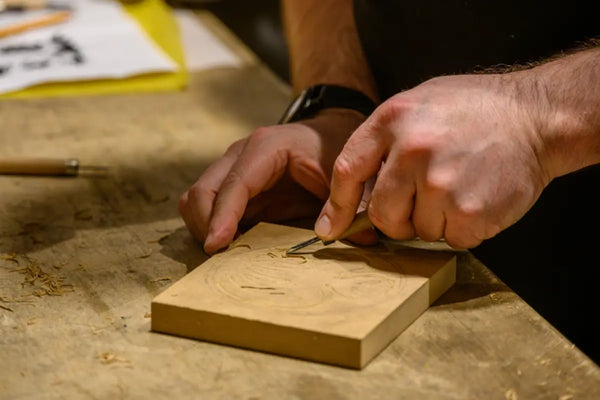
Understanding how to handle your tools is essential for both safety and precision. Carving toward your body, pressing too hard, or forcing the tool often leads to accidents. A good beginner habit is always carving away from yourself and using your free hand to guide and stabilize the material. Securing your wood or stone with clamps or a small vise makes a huge difference in control. It might feel tedious at first, but these precautions prevent injuries and help you focus on learning proper techniques without fear. Developing a safe routine early ensures that good habits stick for years to come.
4. Pay Attention to Your Posture
Carving might seem purely manual, but your posture affects every cut you make. Sitting with a straight back, shoulders relaxed, and material at a comfortable height reduces fatigue and improves precision. Beginners often overlook small adjustments, like bending elbows slightly or keeping wrists neutral, but these details make long carving sessions much easier and more enjoyable. Short breaks every 15–20 minutes give your hands a chance to rest and let your mind absorb what you’ve learned. Carving is meditative, and when your body is relaxed, you’ll notice a natural rhythm emerging in your movements.
5. Start with Small, Manageable Projects
The first projects you choose can set the tone for your entire beginner experience. Many beginners attempt complex sculptures too soon and end up frustrated. It’s better to start with small, simple shapes like spoons, animals, or basic relief patterns. These projects allow you to focus on learning the feel of your tools and understanding how the material reacts. Each small success builds confidence and helps you recognize subtle aspects, like wood grain direction or how pressure changes the depth of a cut. Once you master these smaller projects, moving on to more detailed pieces becomes a much smoother transition.
6. Understand the Material’s Behavior
Each material behaves differently under your tools. Wood has grain, which affects how your chisel moves and how smooth your cuts will be. Carving with the grain produces clean lines, while going against it often results in tear-out. Stone may have hidden faults or varying densities that respond unexpectedly to your pressure. Observing your material closely before and during carving is a skill that develops over time. Beginners who spend a little extra time understanding the nuances of their material usually progress faster than those who try to force results without observation.
7. Develop Patience and Mindfulness
One of the most important lessons for beginners is learning patience. Carving is not a race. Taking slow, deliberate cuts and focusing on the sensation of the tool moving through the material leads to far better results than rushing. Mistakes are inevitable, but they are also excellent teachers. Treat each slip as an opportunity to adjust your technique. Over time, you’ll notice that patience not only improves the quality of your work but also makes the carving experience more relaxing and satisfying.
8. Maintain Your Tools and Workspace
Clean, sharp tools and a tidy workspace make a huge difference. After each session, clean your chisels and knives, wipe down your carving surface, and store everything safely. This simple routine prevents accidents and keeps your tools ready for the next practice. A stable, well-lit workspace free of clutter allows you to focus fully on your carving. Even small details, like ensuring you have a comfortable chair or proper lighting, affect your learning and enjoyment.
9. Track Your Progress and Reflect
Keeping a record of your carving journey is invaluable. Take photos of each project, note challenges, and reflect on what you learned. Beginners often feel they aren’t improving, but seeing tangible progress over weeks or months can be motivating. Tracking your development helps you identify patterns in your mistakes and successes, guiding you to more efficient learning and a deeper understanding of carving techniques.
10. Join a Community of Carvers
Carving can feel lonely at times, especially when you are learning new techniques. Joining online forums, local carving clubs, or social media groups can provide inspiration and support. Sharing your work and receiving constructive feedback accelerates improvement and keeps you motivated. Learning from others, seeing different styles, and exchanging advice is one of the fastest ways to grow as a beginner.
Finally thought
Starting the new year with carving as a hobby or skill can be deeply rewarding. By choosing the right materials, investing in quality tools, practicing safe techniques, and maintaining patience, beginners can establish a strong foundation. Remember, every expert carver was once a beginner, feeling uncertain and making mistakes. Take your time, enjoy the process, and make 2026 a year of growth, creativity, and confidence in your carving journey.
I’m not sure where you’re getting your information, but great topic. I needs to spend some time learning more or understanding more. Thanks for magnificent info I was looking for this information for my mission.
4301xz
I’m not sure where you’re getting your information, but good topic. I needs to spend some time learning much more or understanding more. Thanks for magnificent information I was looking for this information for my mission.